
Championing Sustainability
We are happy to share another Sustainability story feature with GoodFish, a sustainability initiative by the Australian Marine Conservation Society, designed to help the community understand more about their seafood.
As our demand for seafood increases, aquaculture (or fish farming) is an increasingly important sector; making up almost half of the seafood produced in Australia. This industry is not without its sustainability concerns, however, it’s important to know that some Aussie fish farmers are going above and beyond – and we’d love to celebrate them with you!
In this film series, you’ll hear some of the stories of five remarkable aquaculture businesses that are paving the way to a better future for fish farming. Enjoy the journey through their innovations (or their back to basics approaches) and commitment to supplying us with delicious, truly sustainable seafood.
Featured in the video:
Mainstream Aquaculture AKA Infinity Blue Barramundi (Werribee, VIC) have gone old-school, like geologically old. They use geothermal water heating for their indoor barramundi farm tanks, significantly reducing energy use and their carbon footprint. This innovation enables them to grow this tropical species in a temperate environment at maximum efficiency with no disease issues and no discharge to the natural environment – right next to a major market.
Leeuwin Coast Akoya Harvest Road (Albany, WA) discovered that this pearl oyster species grows beautifully if farmed like mussels in cool coastal waters, and developed ultra-low impact approaches to bring a whole new truly sustainable seafood option to the market. This doesn’t happen every day, and it’s something to celebrate.
Flinders Mussels (Melbourne, VIC) focuses on small artisanal scale operations located right on the doorstep of a major city. Operating without additional feed or chemicals, Harry’s mussel farming system actually helps capture nutrients lost from land-based food production washed off the land.
Aquna Sustainable Murray Cod (Griffith, NSW) farms native Murray cod within dams used for crop irrigation. They have ingeniously created an additional layer of food production for these precious and limited water resources. Instead of the nutrient waste from the fish farm impacting our oceans, it gets recycled as fertiliser for crops.
Blue Ridge Marron (Southern Forests, WA) is a beacon of collaborative sustainability, managing, harvesting and marketing on behalf of artisanal growers in the area. After these growers have farmed marron in dams on their farms, orchards, or vineyards at ultra low-intensity, Blue Ridge Marron continues to grow them semi-intensively in their own ponds. They embrace the natural environment, allowing the marron to breed and grow until they’re ready for harvest, minimising interference and using zero chemicals.
We’re always striving for better efficiency while increasing sustainability at our farms. Our Head of Queensland business, Marty Phillips, is featured in this great article on the “Reef and Rivers” magazine published by Wet Tropics Waterways on the importance of continuous improvement and staying pro-active.
At MainStream Aquaculture, we believe in giving back to our community and supporting the conservation efforts of local wildlife parks. Recently, we had the privilege to collaborate with the Ballarat Wildlife Park by donating a significant number of Barramundi to their facility. This initiative aims to bolster the park’s aquatic exhibit and promote educational opportunities for visitors.
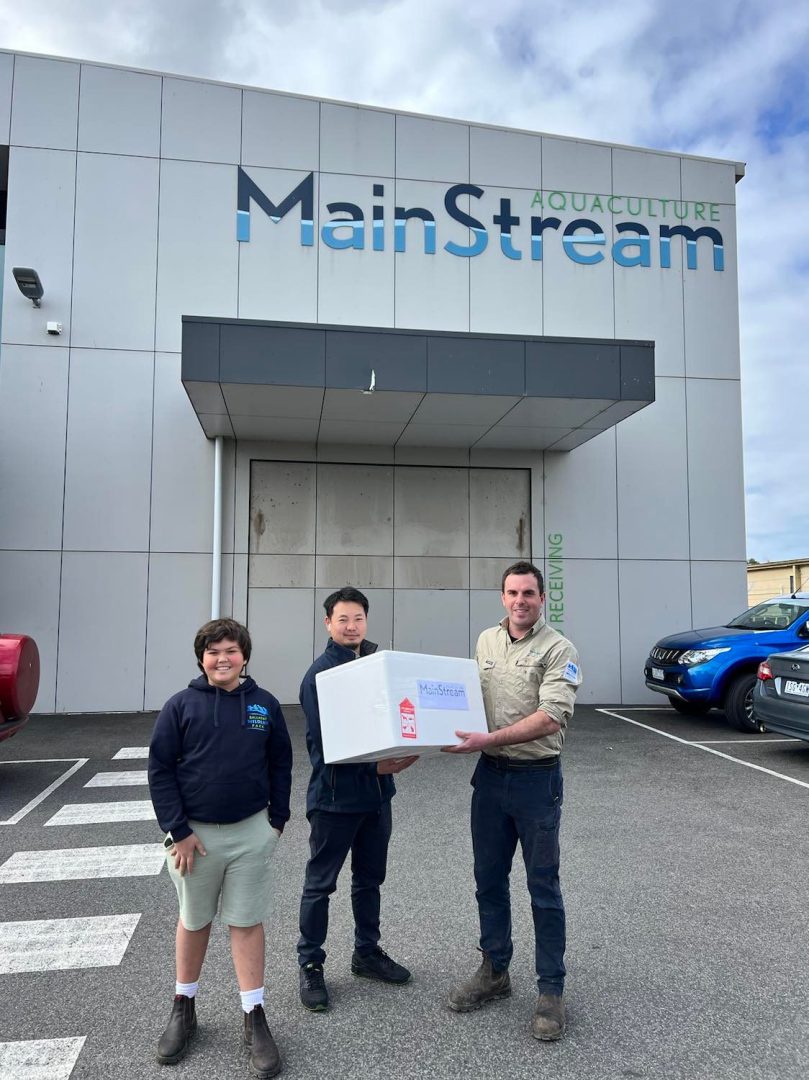
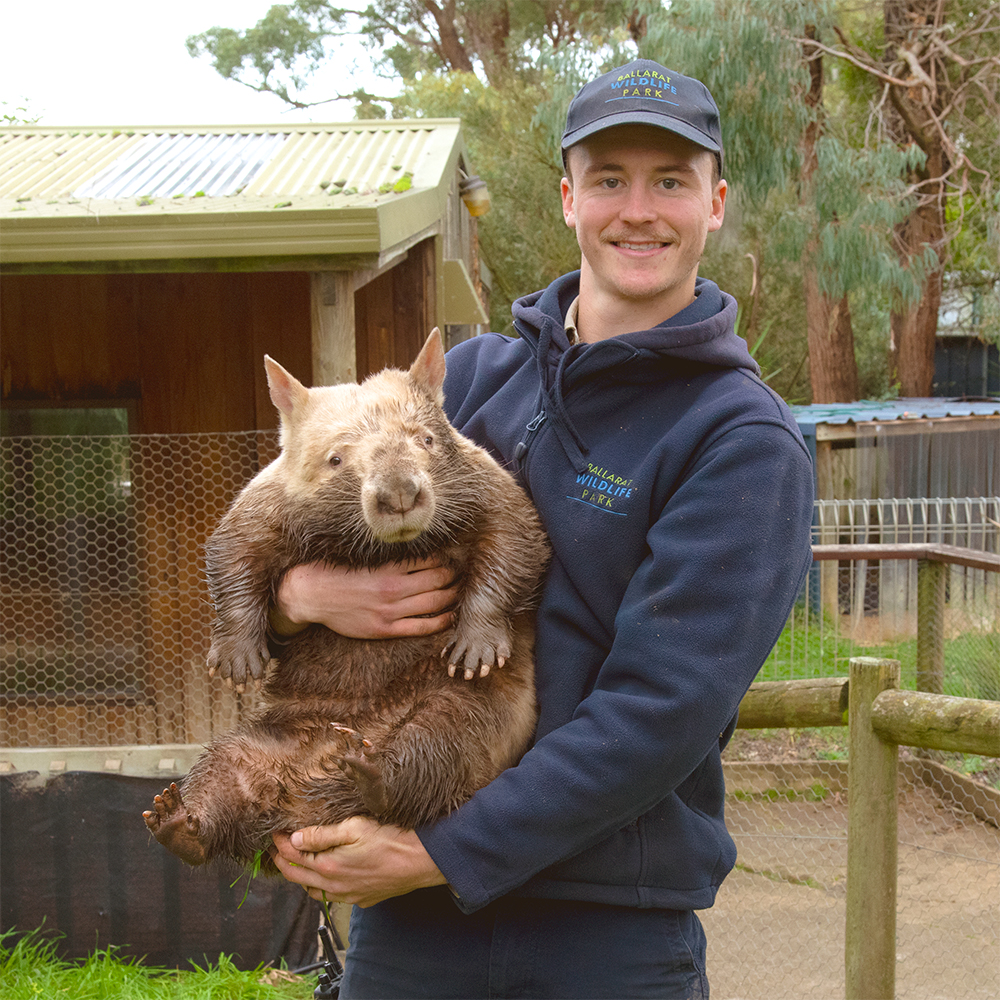
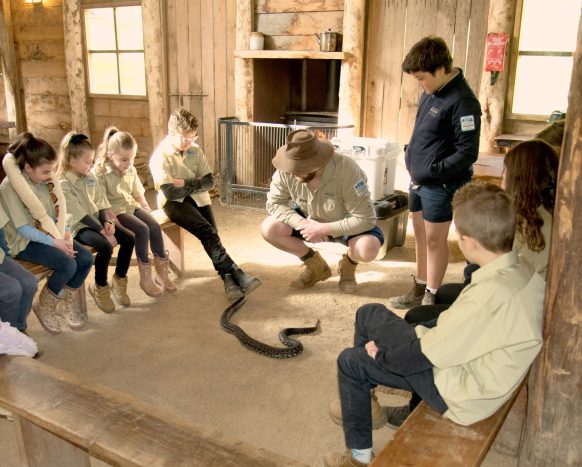
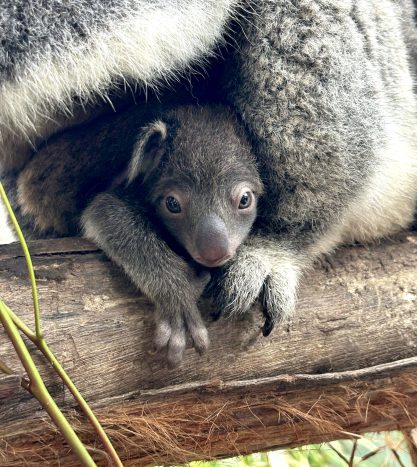
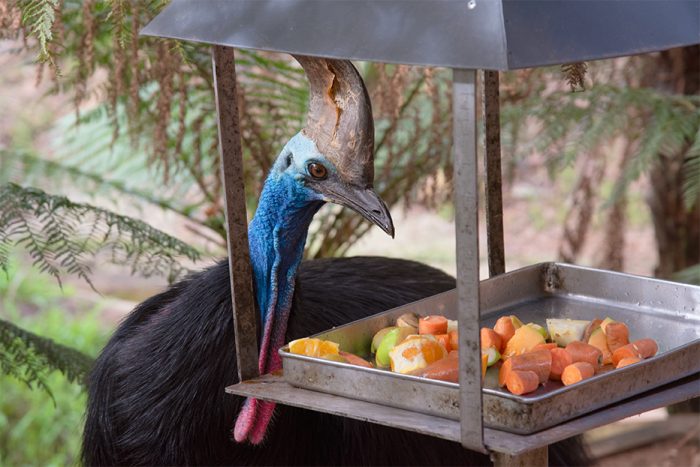
MainStream Aquaculture takes immense pride in our commitment to sustainable practices and environmental preservation. As part of our ongoing efforts to support local conservation initiatives, we gladly donated a sizeable population of Barramundi fish to the Ballarat Wildlife Park.
By providing the Ballarat Wildlife Park with Barramundi, we aim to create enriching experiences for visitors. The exhibit will serve as an educational platform, where both young and old can learn about the role of Barramundi in the environment and the importance of conservation.
Visit Ballarat Wildlife Park Today!
If you want to witness the captivating beauty of Barramundi up close and learn more about their role in the ecosystem, head over to the Ballarat Wildlife Park today. Your visit will not only be a memorable experience, but you’ll also be contributing to the park’s conservation efforts.
MainStream’s Research & Development Manager, Dr. Holly Cate, is a member of Victoria’s Biosecurity Reference Group and she is proud to have played a part in drafting the presented strategy.
The draft Biosecurity Strategy for Victoria is now open for public feedback on Engage Victoria.
Keeping Victoria’s biosecurity system strong in the face of climate change, changing land use and increased movement of people and goods is a key priority. Biosecurity is vital to protecting the lifestyle that Victorians enjoy. Pests, weeds and diseases can have devastating impacts on our industries, environment, cultural heritage and well-being of our communities.

Help shape the system that protects us from pest and disease risks by having your say.
Access Victoria’s Biosecurity Strategy Consultation Draft and provide your feedback via engage.vic.gov.au/victorian-biosecurity-strategy-consultation.
Consultation is open now until Wednesday 16 August.
Please share the link to the consultation to encourage more Victorians to share their views on how we can strengthen biosecurity in Victoria.
Computer simulations are key to bringing aquaculture into line with genetic advances being made in land-based agriculture, according to a University of Queensland researcher.
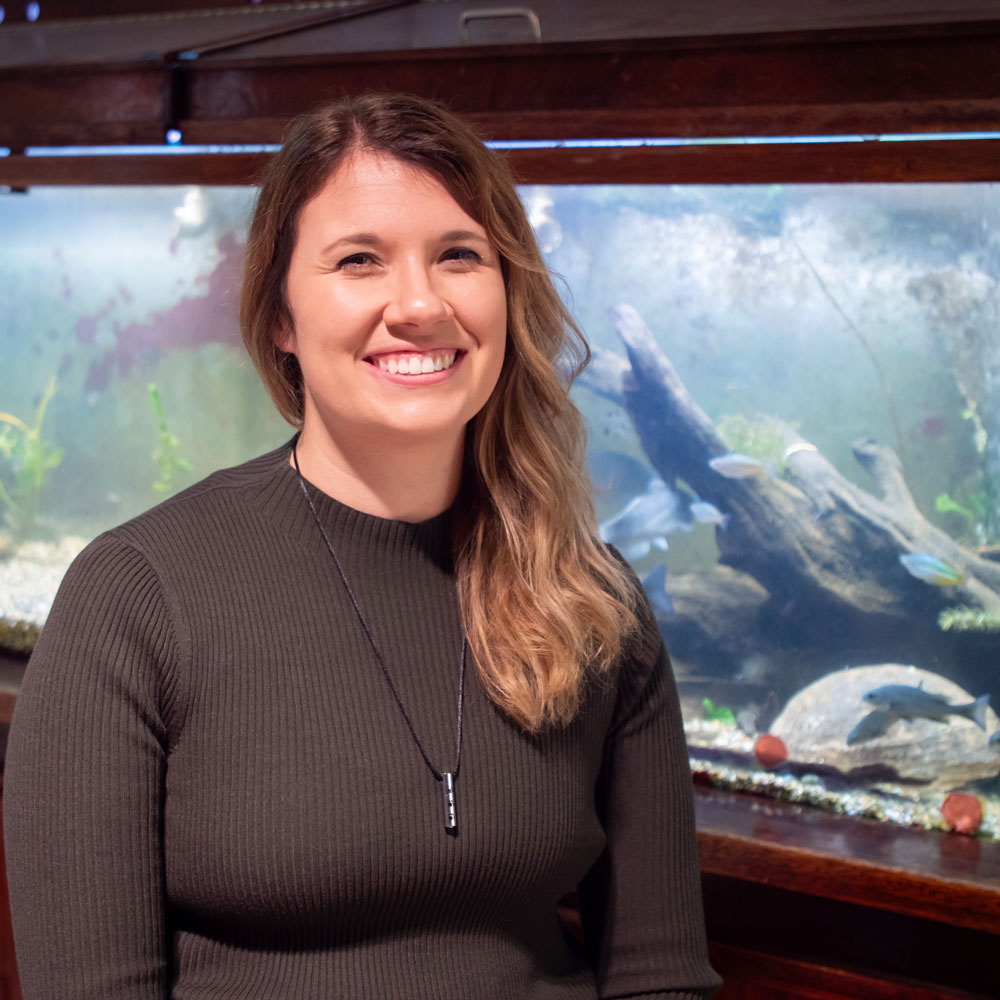
PhD candidate Jessica Hintzsche from UQ’s Queensland Alliance for Agriculture and Food Innovation (QAAFI) is using software to virtually model the genetic tools available to barramundi farming, in collaboration with the ARC Research Hub for Supercharging Tropical Aquaculture at James Cook University and MainStream Aquaculture Group.
“We are creating the farm’s virtual twin – a 3D digital replica of the real thing to allow us to run simulations,” Ms Hintzsche said.
“The benefit of a digital twin is that we can test the impact of different genomic, breeding and production technologies such as parental selection and harvesting options before they are rolled out on the farm.
“It would allow producers like MainStream to make decisions about how to take their business to the next level with healthy fish populations.”
Aquaculture in Australia’s north is currently valued at $223 million and has a projected value of $1.34 billion by 2030.
Ms Hintzsche said aquaculture was growing exponentially but the integration of genetic technologies into breeding programs was slow, with just 10 per cent of the fish farmed globally descended from genetically improved strains.
“We are at a tipping point globally where the production of farmed fish is about to overtake wild-caught fish in fisheries,” Ms Hintzsche said.
“To meet demand and keep up with other agricultural industries, genetic tools need to be integrated into breeding programs.”
Ms Hintzsche said there were many benefits of using AI including sustainability and there was no limit on what could be modelled with the right quantitative data.
“No one yet has the capacity to apply these techniques in aquaculture and it is amazing to be on the forefront, using this technology to push the boundaries of aquaculture.
“Really, the sky is the limit.”
Images and video are available via Dropbox.
Media: Jessica Hintzsche, j.hintzsche@uq.edu.au; The University of Queensland; +61 466 670 962; QAAFI Comms, Natalie MacGregor, n.macgregor@uq.edu.au.au, +41 409 135 651.
The Queensland Alliance for Agriculture and Food Innovation is a research institute at The University of Queensland supported by the Queensland Government via the Queensland Department of Agriculture and Fisheries.
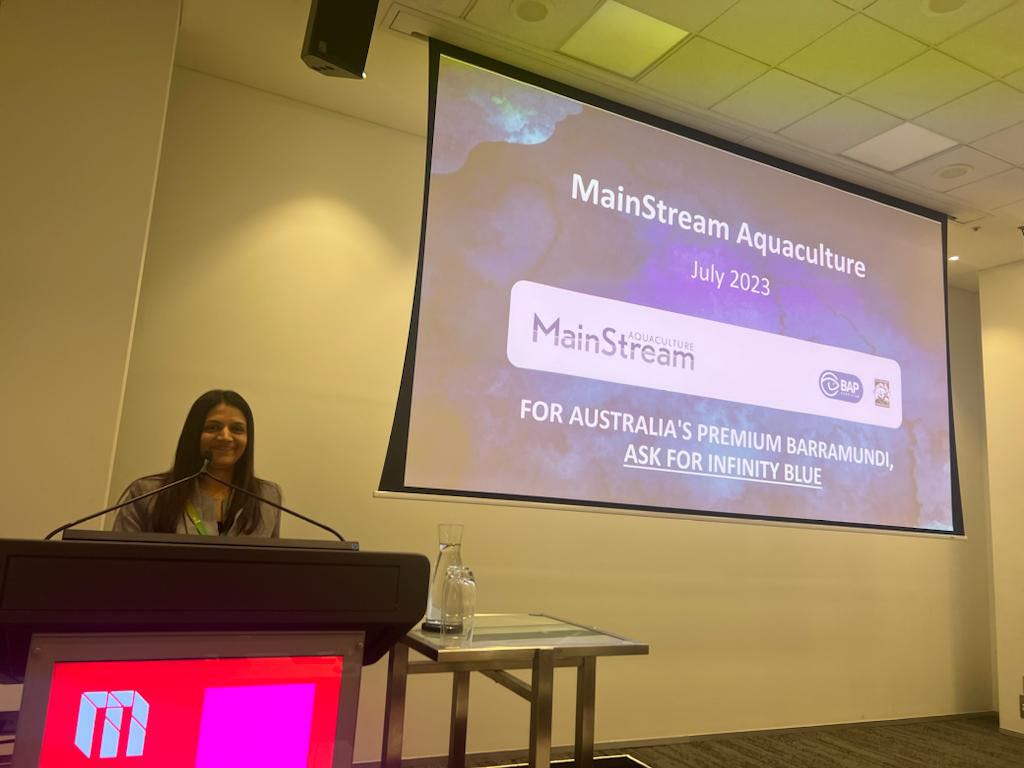
Our Hatchery manager, Alpa Pansuriya, spoke at Aqua Farm conference hosted by Prism Scientific Services on July 10-12, 2023 at the Melbourne Convention and Exhibition Centre.
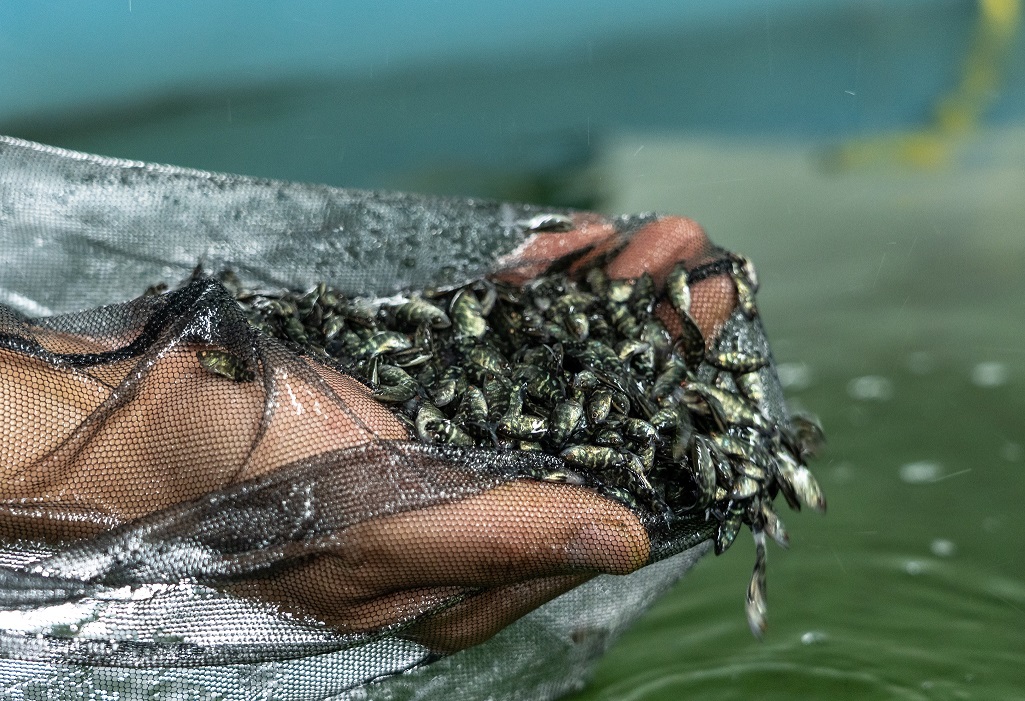
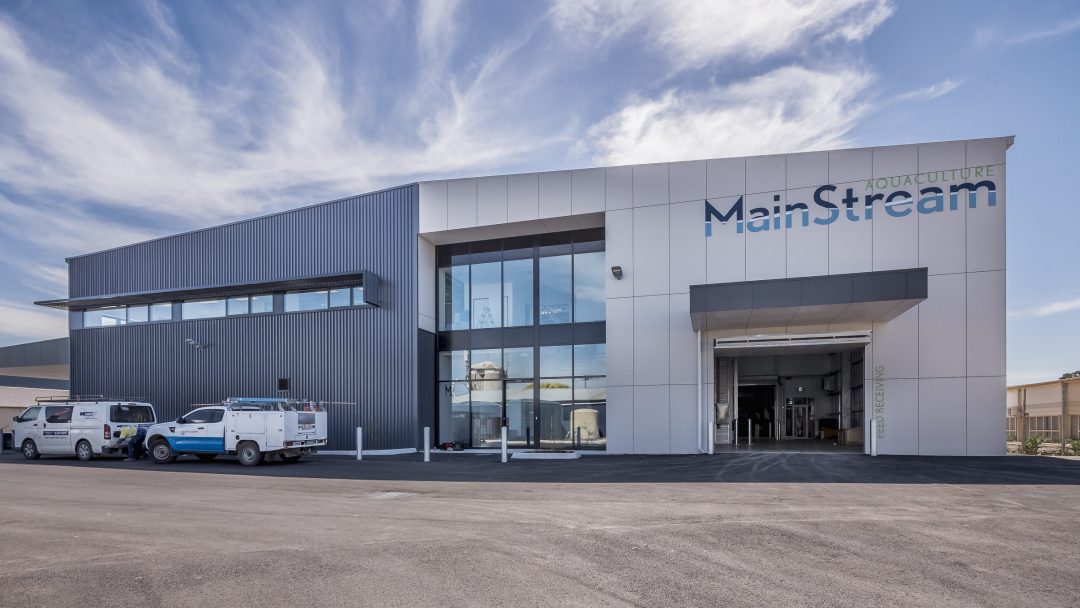
Our Hatchery operation is the largest of its kind in the world and we just celebrated our 200th batch of Barramundi spawns. This marks the second big milestone in the Hatcheries business after batch 100 was achieved in 2015. Since inception, MainStream Hatcheries have produced over 1 billion fish!
It was an exciting event to explore how innovative approach to sustainable aquaculture can revolutionize the industry, tackling environmental challenges and promoting responsible seafood production.
See you all at the Aqua Farm conference hosted by Prism Scientific Services on July 10-12, 2023 at the Melbourne Convention and Exhibition Centre.
Our very own Hatchery manager, Alpa Pansuriya, is speaking at Aqua Farm conference hosted by Prism Scientific Services on July 10-12, 2023 at the Melbourne Convention and Exhibition Centre.
As a premier event in the aquaculture industry, Aqua Farm offers unparalleled opportunity to connect wit industry experts, researchers and Aquaculture farmers. Register now https://lnkd.in/giUyA9t8 to be a part of this dynamic industry gathering.
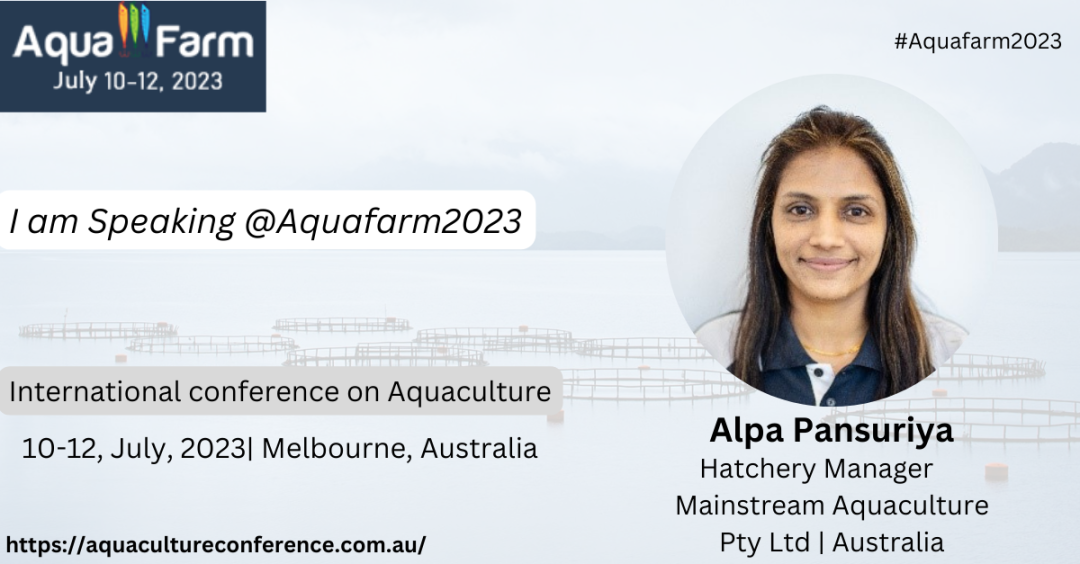
Join to explore how innovative approach to sustainable aquaculture can revolutionize the industry, tackling environmental challenges and promoting responsible seafood production.
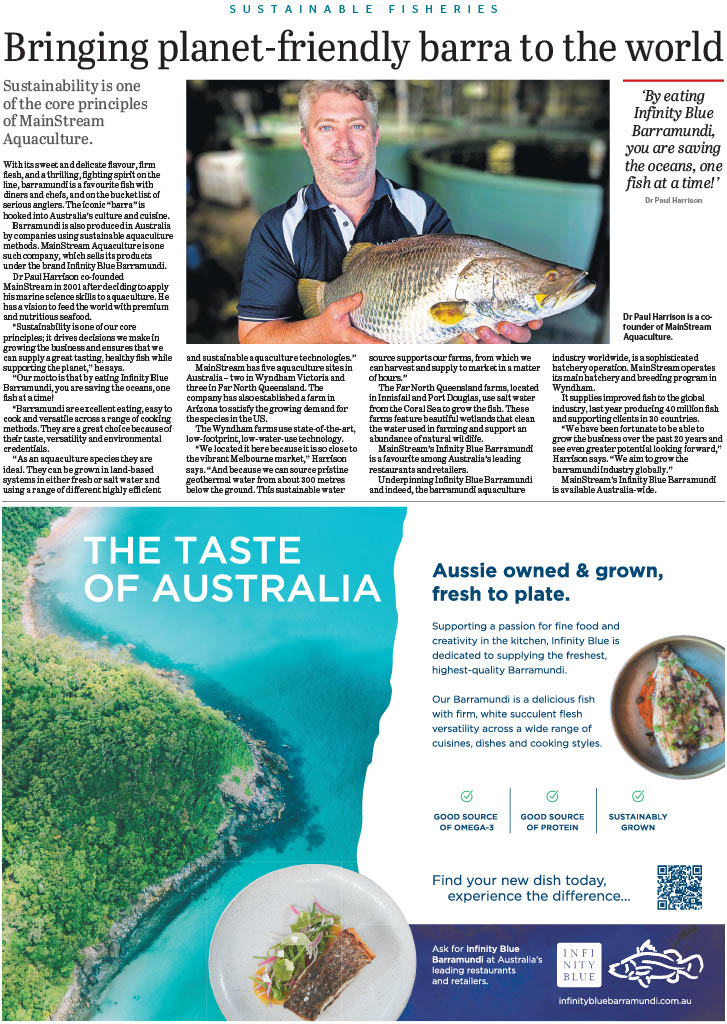
We are happy to be featured on The Age/Sunday Morning Herald highlighting our sustainability efforts in the seafood industry.
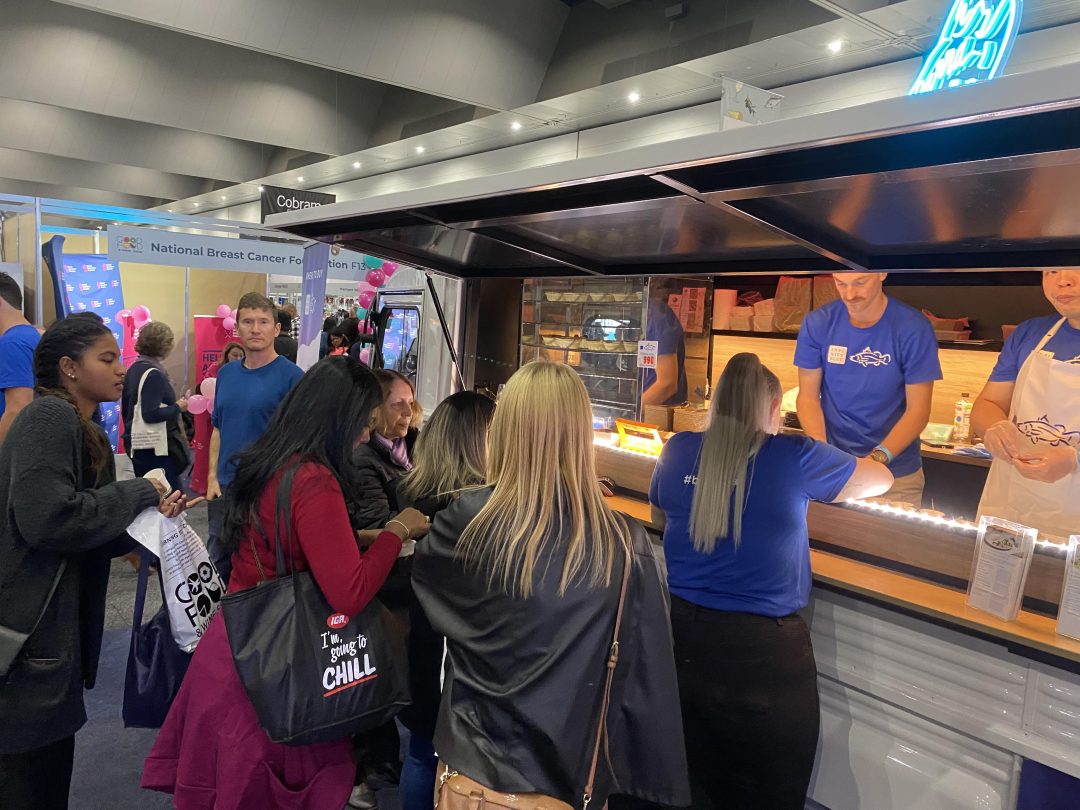
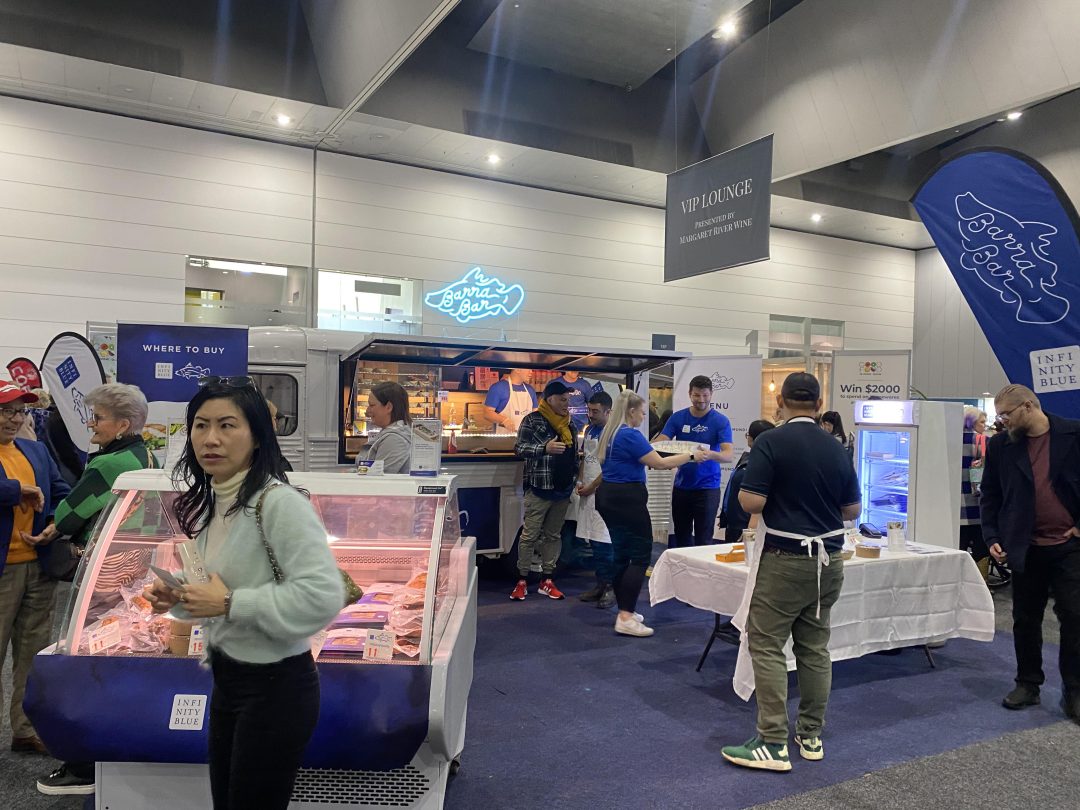
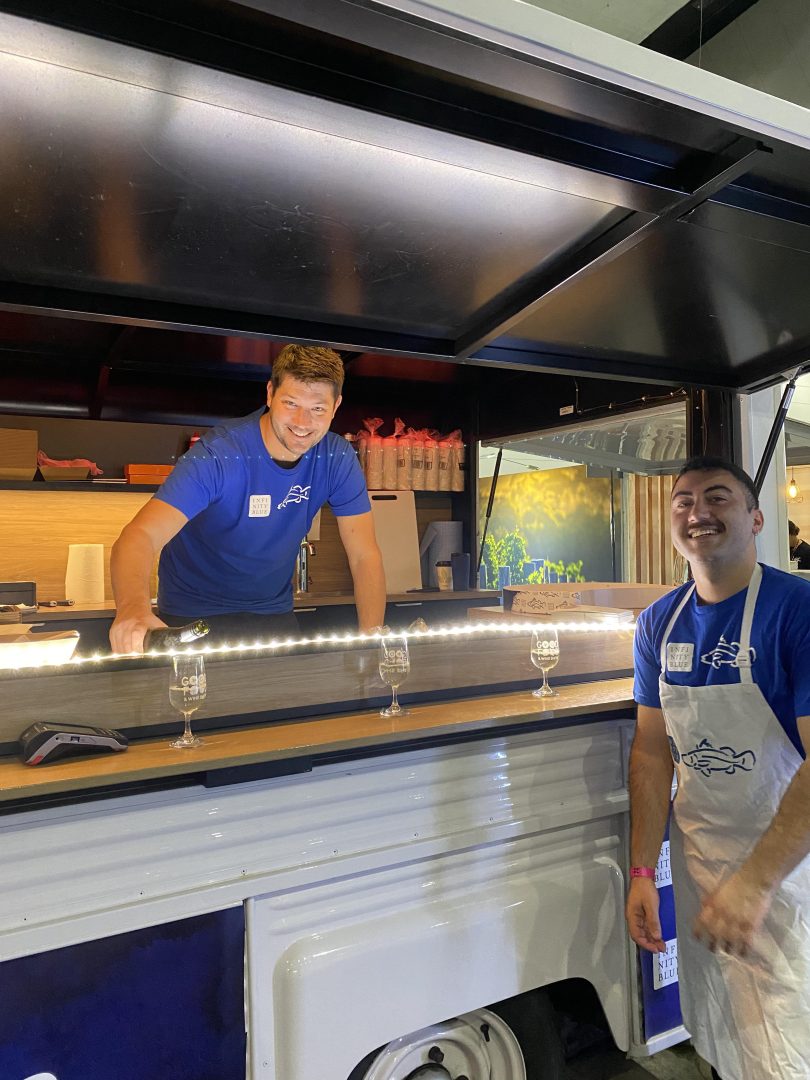
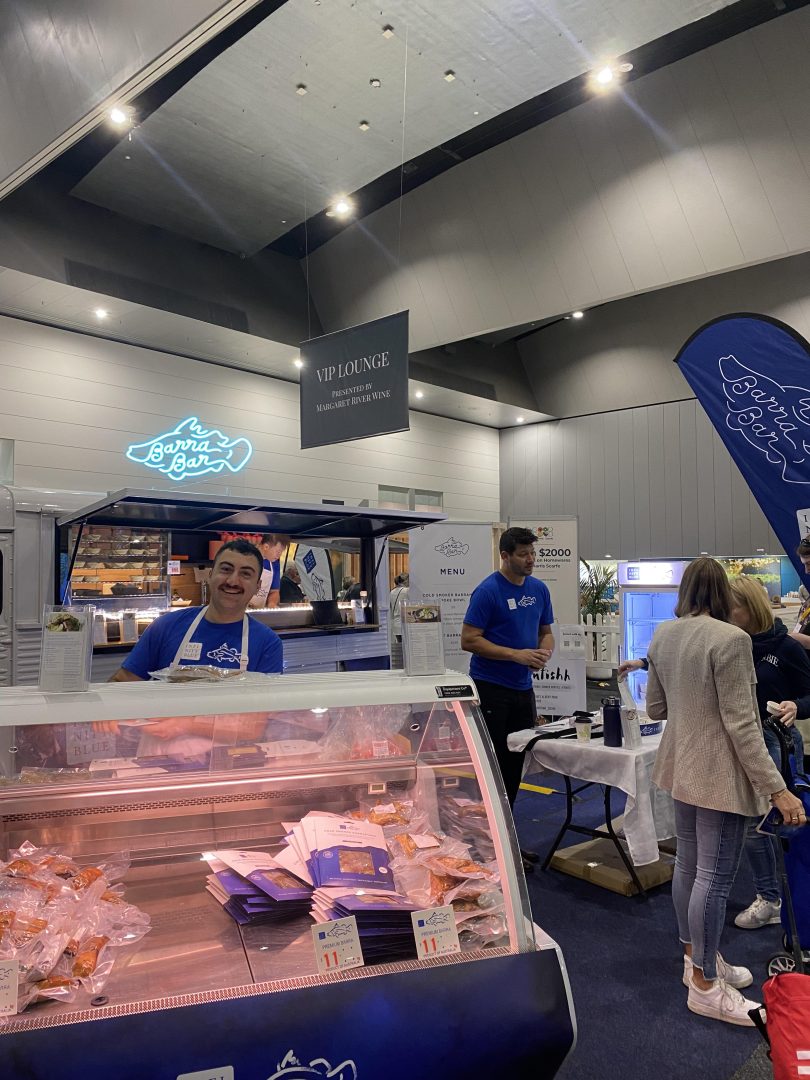
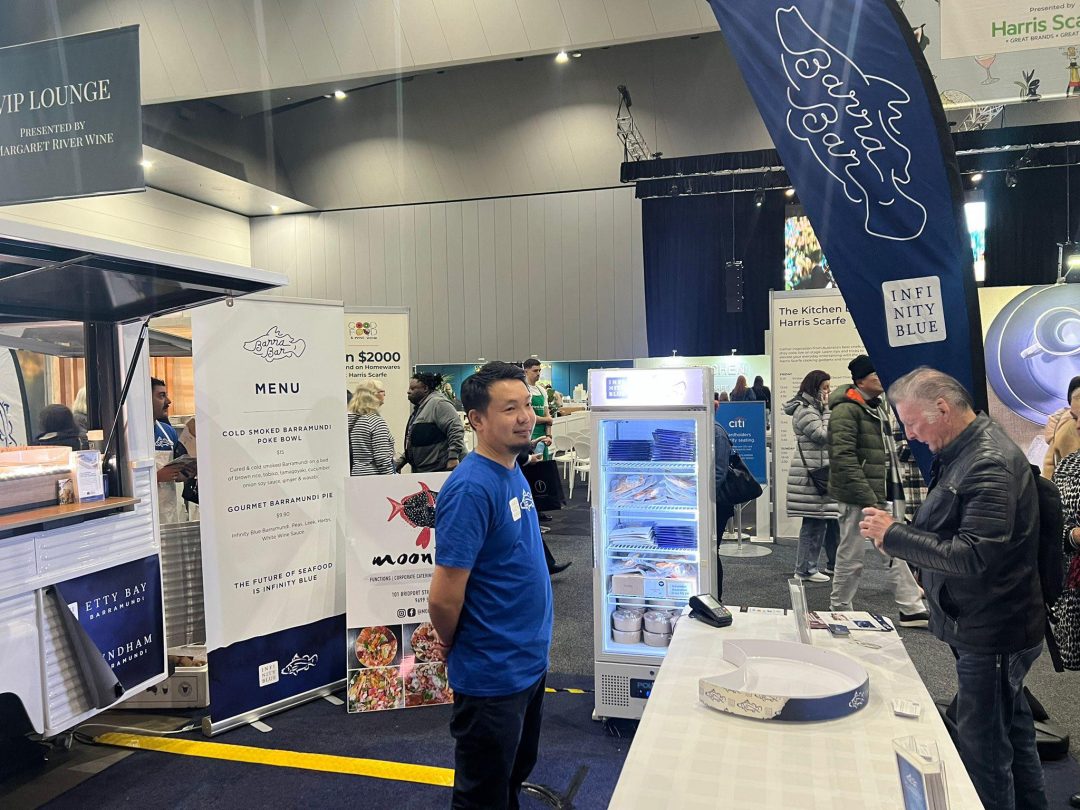
The Good Food & Wine Show Melbourne recently concluded, leaving behind three remarkable days filled with culinary delights, sensory experiences, and unforgettable moments. As we reflect on this extraordinary event, we express our gratitude to everyone who made it a resounding success.
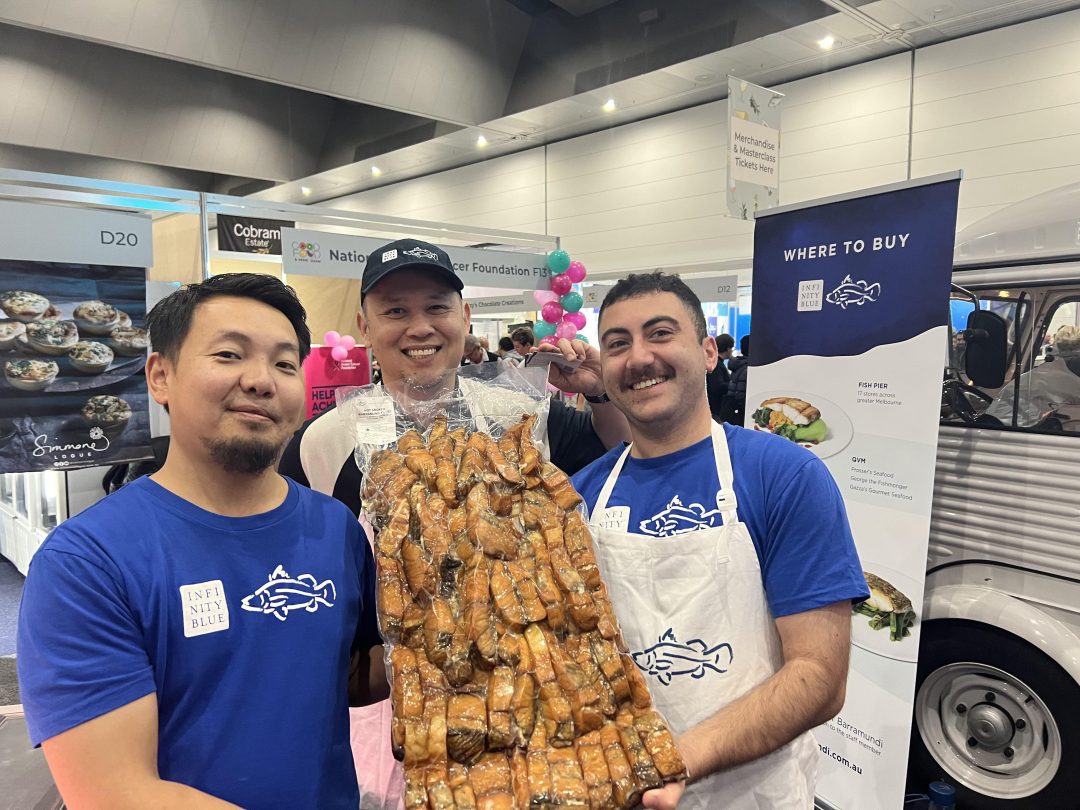
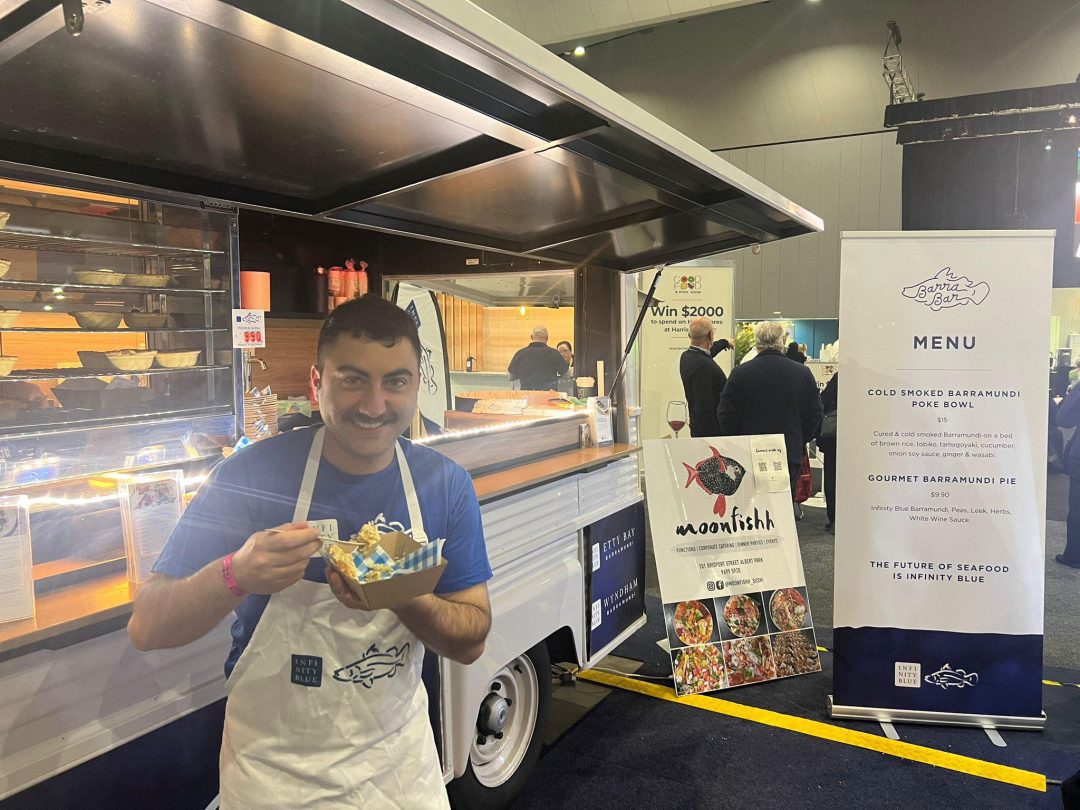
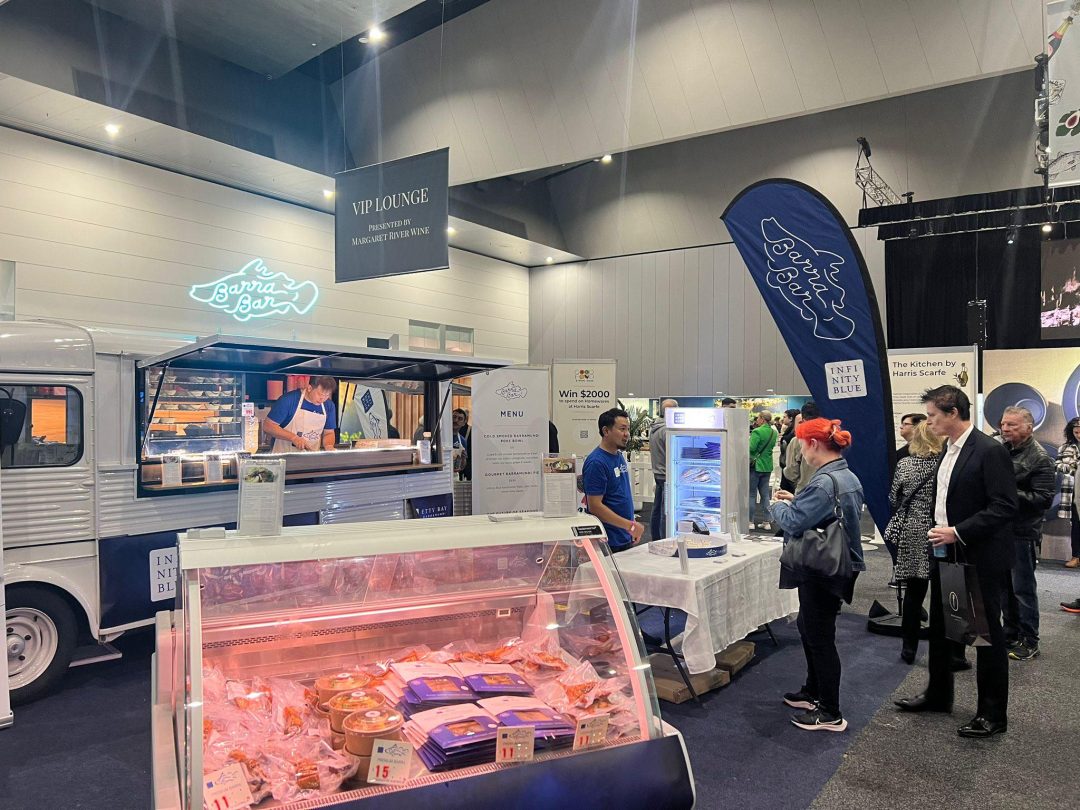
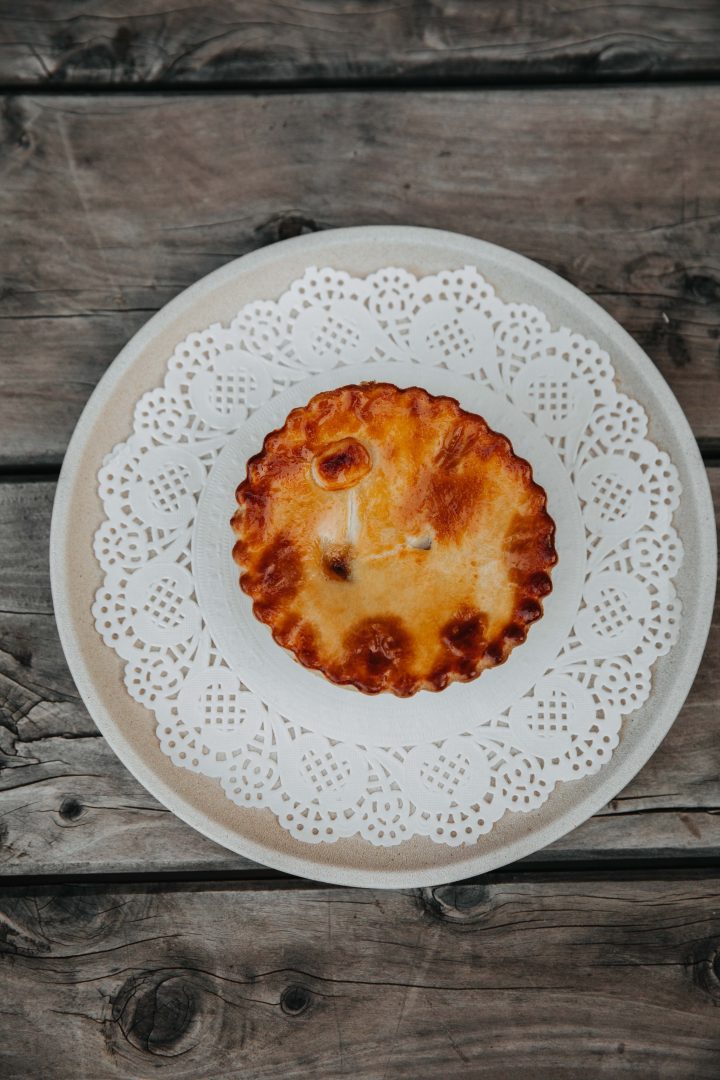
At the Good Food & Wine Show Melbourne, we had the pleasure of presenting our delectable Barramundi dishes to the public. The rich flavours and succulent textures of our dishes captivated the taste buds of all who indulged in them. We also got the chance to introduce to the public gourmet Barramundi pies & delicious fresh Poker Bowls. Our offerings were a true feast for the senses.
The event itself was a gastronomic extravaganza, showcasing a diverse range of culinary delights. From artisanal cheeses and freshly baked bread to exotic spices and fine wines, the Good Food & Wine Show Melbourne offered an unparalleled culinary journey. Attendees had the opportunity to savour a myriad of flavours, opening their palates to new experiences and expanding their culinary horizons.
Throughout the Good Food & Wine Show Melbourne, we were fortunate to capture several unforgettable moments. The vibrant atmosphere, buzzing with excitement and enthusiasm, created the perfect backdrop for cherished memories.
Gratitude to Our Incredible Partners
We extend our heartfelt thanks to our incredible partners who contributed to the success of our participation at the Good Food & Wine Show Melbourne. Melbourne Cured, known for their expertise in smoking, enhanced our Barramundi dishes with their skilfully smoked products. Moonfishh_sushi delighted attendees with their exquisite poke bowls, complementing our offerings with their unique flavours. Wonder Pies, masters of gourmet pies, created an extraordinary partnership by adding their delicious Barra pies to our culinary line-up.
Cider Battered Infinity Blue Barramundi & Truffle Layered Chips
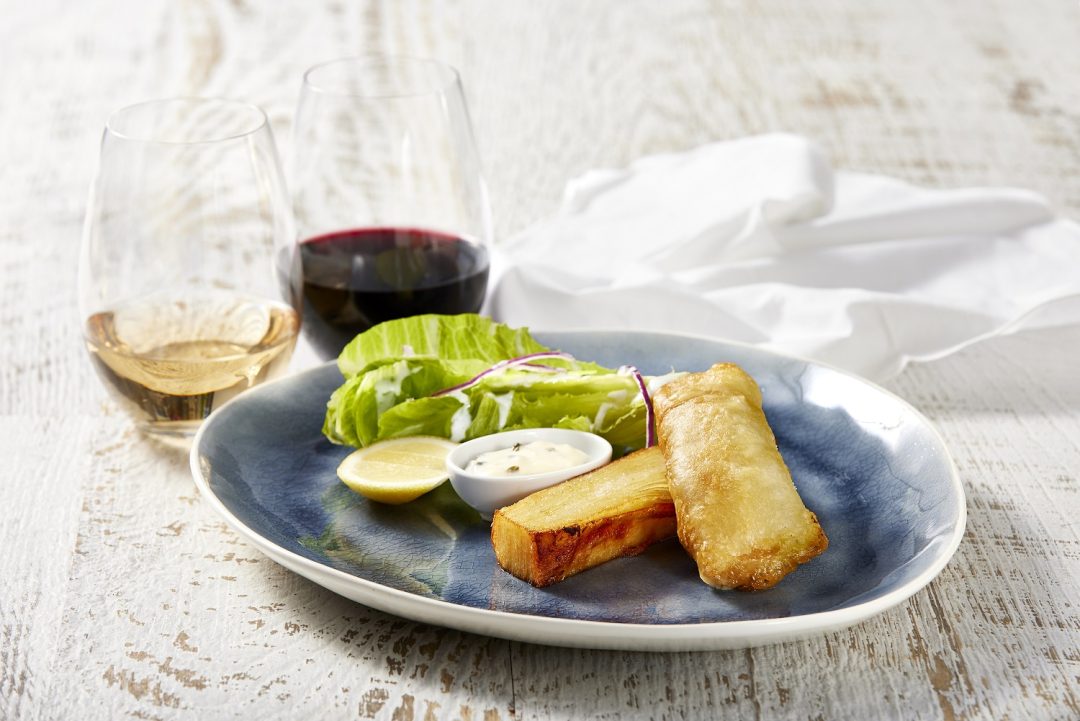
VIP ticket holders got the chance to feast on a delicious lunch menu designed by chef Andrew Ballard in the Margaret River VIP Lounge. The Barramundi dish was an instant hit and was sold out most of the days. We thank chef Andrew Ballard, his team and the team behind the Good Food & Wine Show!
In conclusion, the Good Food & Wine Show Melbourne was a truly memorable event that celebrated the best in food, wine, and culinary craftsmanship. Our Barramundi dishes left a lasting impression on the attendees, while the overall experience filled their hearts with joy and their taste buds with delight. We express our sincere appreciation to all who attended and made this event an extraordinary success. Until next time, let’s continue to embrace the culinary wonders that enrich our lives and create unforgettable memories.
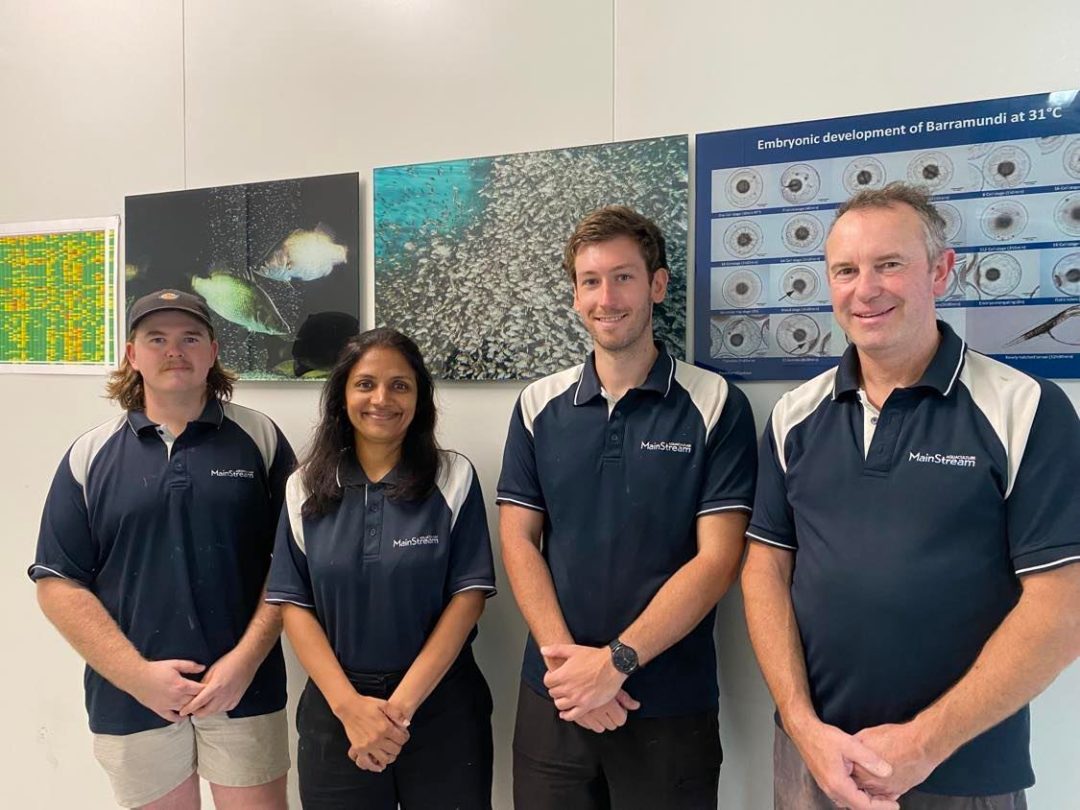
MainStream celebrated the International Women’s Day (March-8) and our ladies are shining bright as ever. We operate multiple farms around the world and here’s a glimpse of some of our powerful and wonderful women staff (sadly some of them could not be included as their schedules did not match).
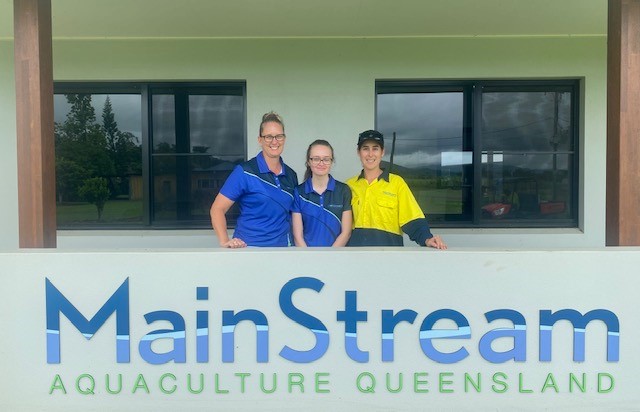
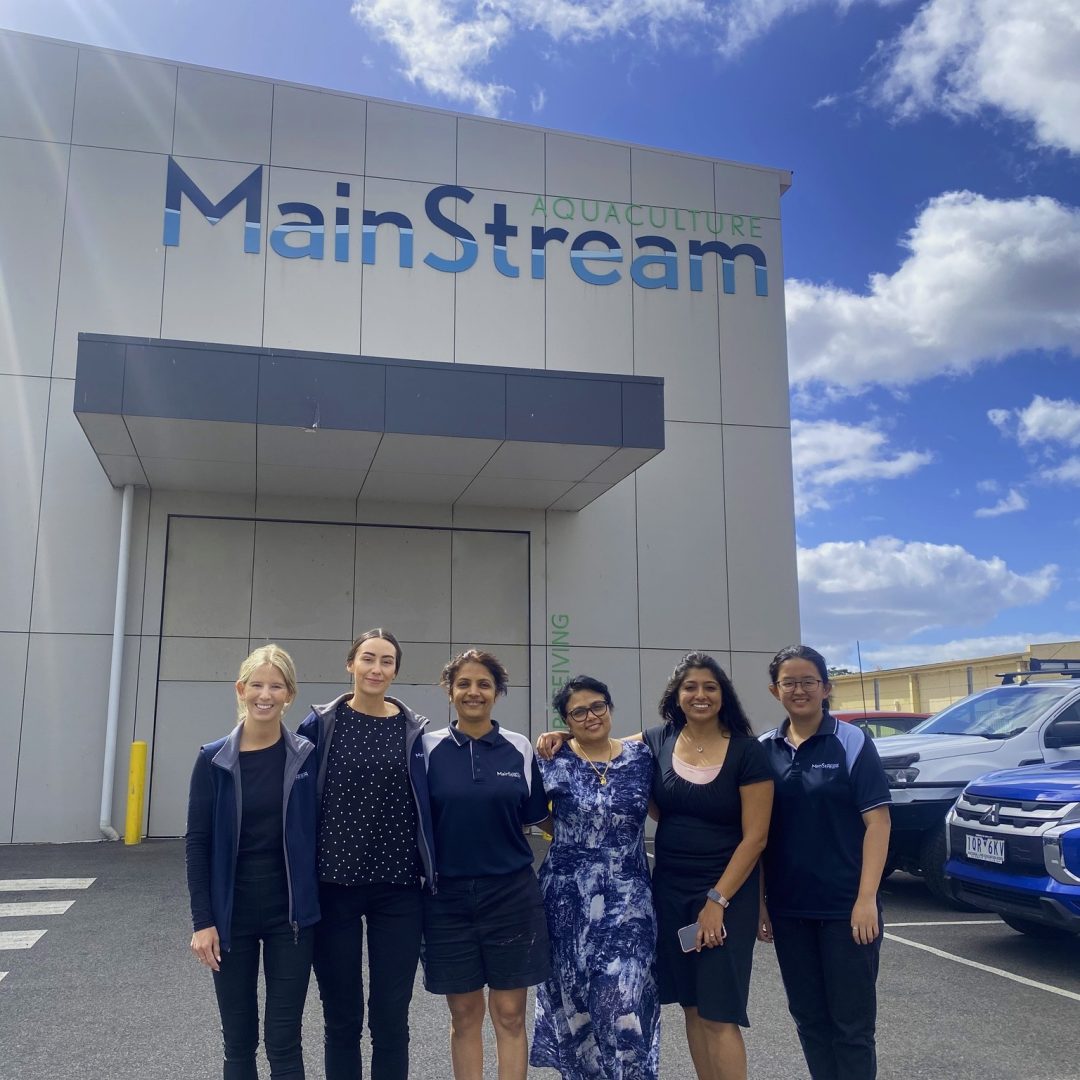
Women in Aquaculture play critical roles in the entire chain of operations from feed, management, hatcheries, retail, chefs, fishmonger and the list goes on. We would like to use this opportunity to highlight some great Women-focused Aquaculture programs and initiatives such as Women In Seafood Australasia – WISA. WISA take a practical and grass roots approach to the professional development of women and raising the profile of women involved in the seafood industry. Also, our very own Australian Sustainable Barramundi (Australian Barramundi Farmers Association) is led by our great Jo-Anne Ruscoe, whose determination and leadership has helped highlight and unite the voices of Barramundi producers all over Australia.
We appreciate you so much every day – mothers, sisters, daughters and colleagues all over in every corner and industry! Happy International Women’s Day!!!
Congratulations to the MainStream Aquaculture Hatchery team on producing its record 200th batch of Barramundi
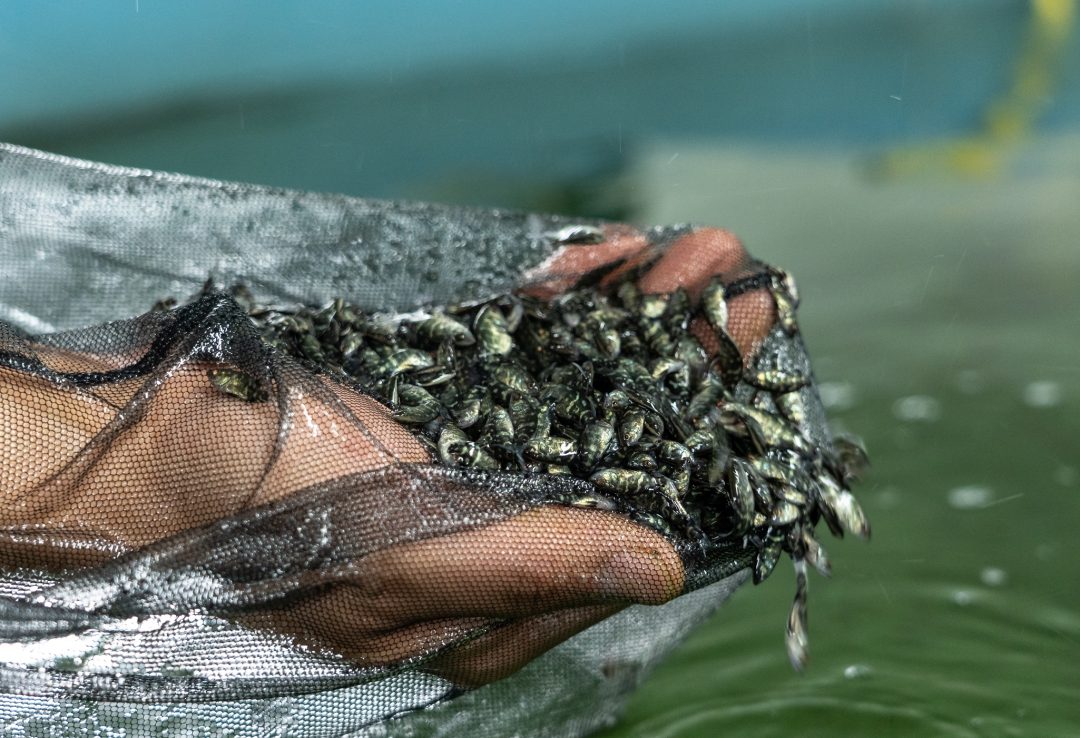
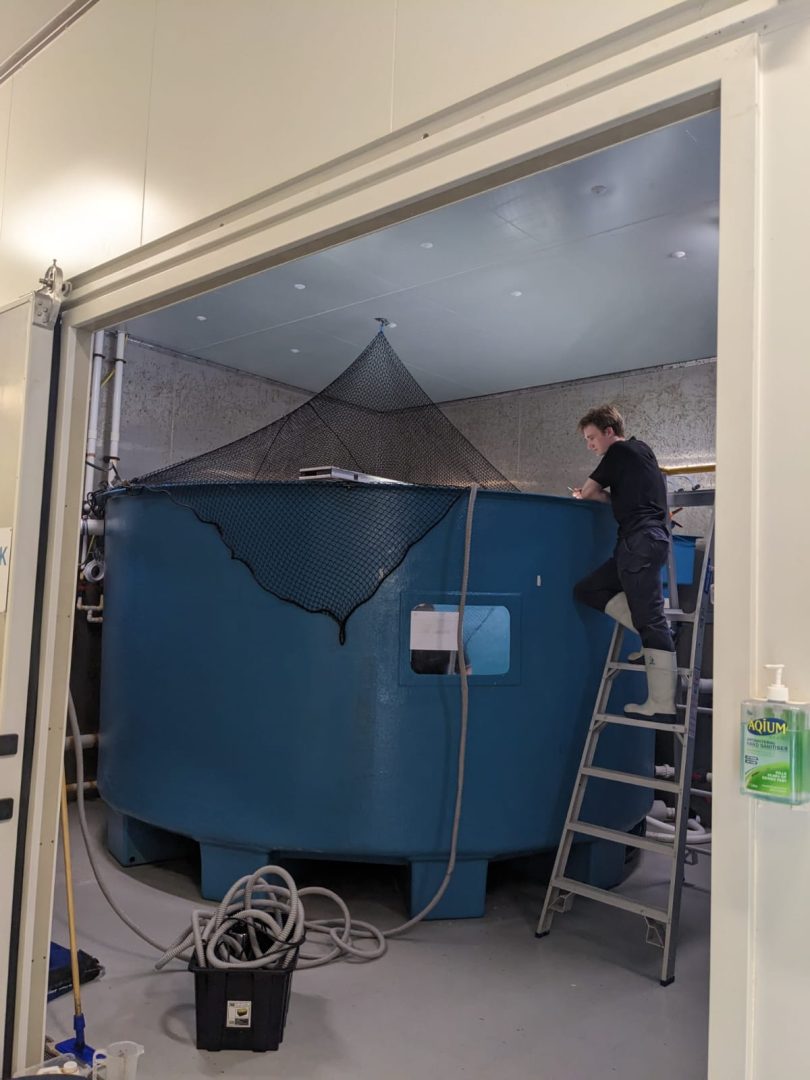
MainStream Aquaculture is the largest supplier of Barramundi fingerlings in the world and proudly distributes high quality fingerlings to Barramundi producers in 28 countries across 5 continents. Our Hatchery team is a crucial part of the operations responsible for future generations of healthy and sustainable farmed Barramundi.
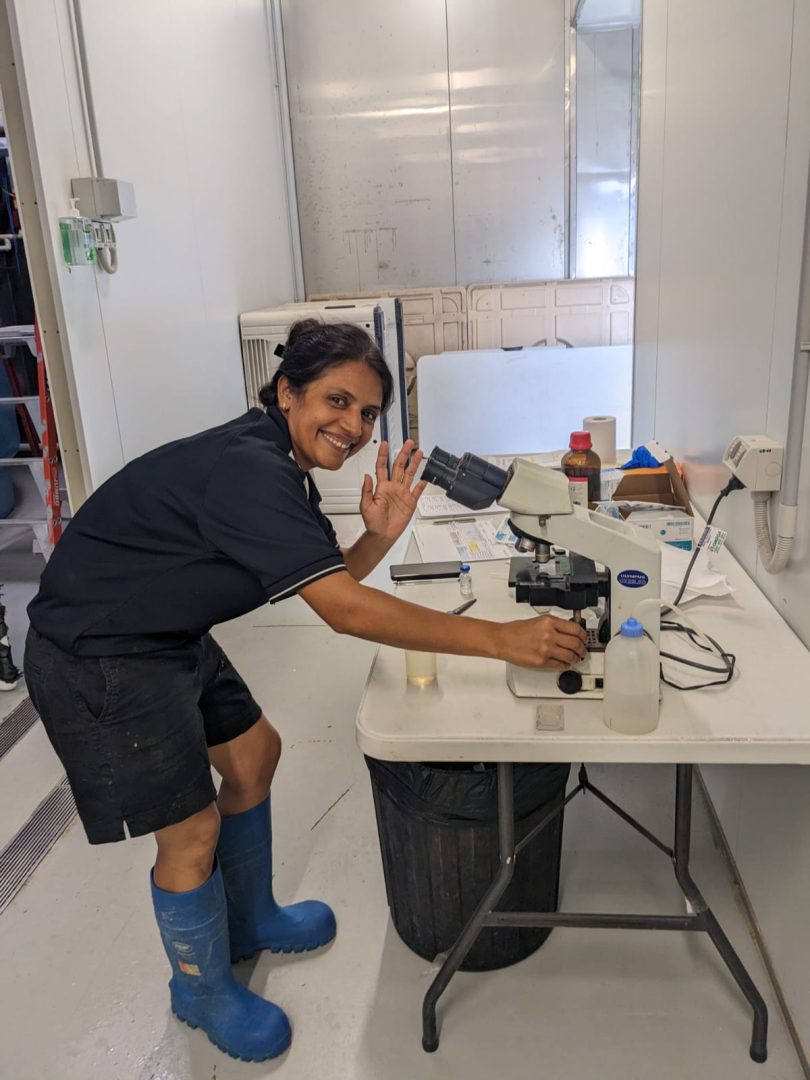
We are happy to announce that last week MainStream had its 200th batch of Barramundi spawning completed. This marks our second milestone from our previous 100th batch achieved in 2015. At this stage we have produced more than 400 million fish larvae. Our Hatcheries manager, Alpa Pansuriya, and her team were all smiles during the process and continue to contribute to our shared mission “To feed the world with premium, sustainably produced, and nutritious fish”.
If you want to learn more about our Fingerlings program please click here.
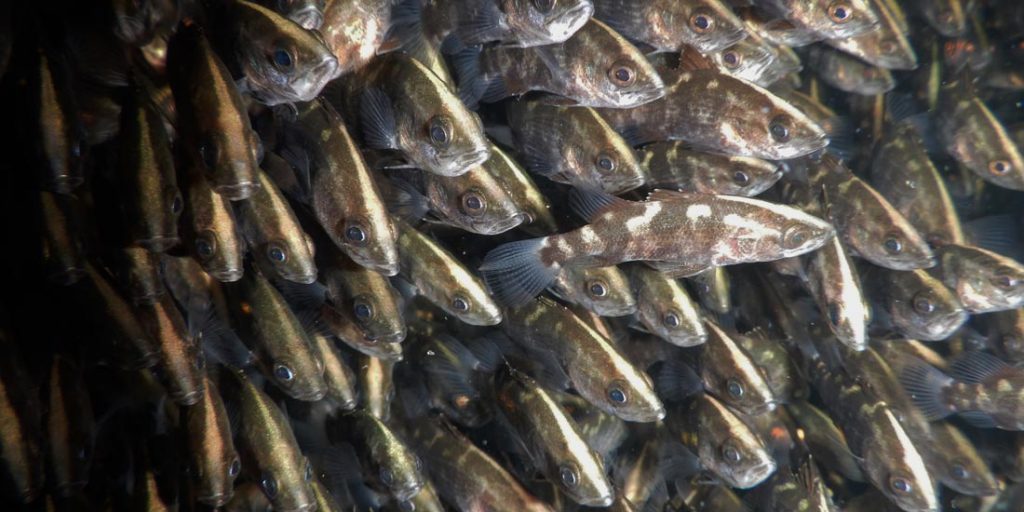
Summer is in full swing, and on these wonderous long and hot days nothing beats a weekend or weeknight BBQ. It’s so simple to throw some fresh barra portions or a whole plate sized fish on the barbie and team it with a super salad.
Firedoor Chef Lennox Hastie has shared his top tips for barbequing barramundi – these four steps will help you get the ultimate crispy skin barra and maximum flavour to your favourite fish each and every time.
- Firstly, you need to make sure the skin of the barramundi is beautifully dry. The best way to dry it out starts the night before you plan on cooking it. Simply unwrap the fish from any plastic or wrapping it’s in, pat it down with some paper, and leave it sitting on a plate in the fridge, uncovered overnight.
- The next day allow the fish to come to room temperature before you grill it, you’ll find the pockets of fat in the skin will render down to give you the beautiful crispy skin that barramundi is renowned for. This will require you taking your fish out of the fridge for a short time before cooking. Just be mindful not to leave it out of the fridge for more than one hour on a hot day pre-cooking, and don’t leave your barra sitting in direct sunlight.
- Speaking of skin, be sure to keep the skin on your barra, you’ll get a lot more flavour that way & it is also helping to protect the more delicate flesh of the fish from the hot BBQ.
- Aim to cook the barramundi 80% of the time on the skin side and 20% on the flesh side just to finish. Cooking time will depend on whether you have a whole fish or a fillet.
To inspire you here is Lennox Hastie’s recipe for Barramundi, charred greens, and anchovy dressing which can be cooked on the BBQ or over an open fire.
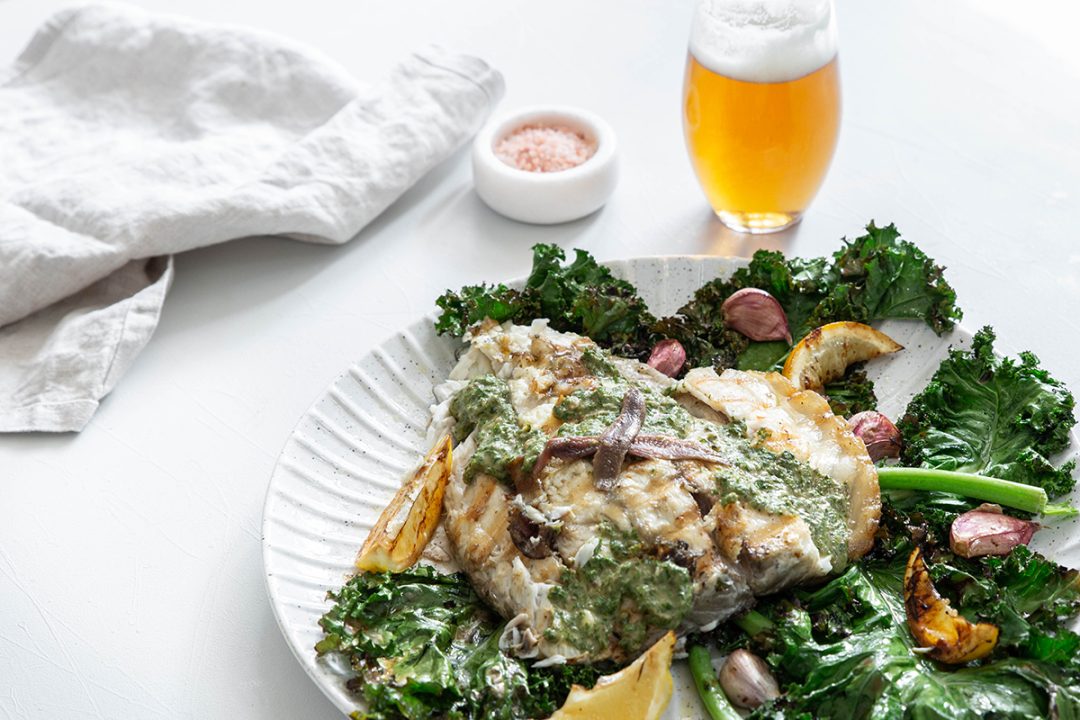
BARRAMUNDI, CHARRED GREENS, AND ANCHOVY DRESSING
Method
- Remove your fish from the fridge and allow to come to room temperature
- Blend the parsley in a blender along with the garlic and 1 large ice cube.
- Add the capers, Dijon mustard, red wine vinegar, lemon zest and anchovy fillets and process on medium high until combined. Be careful not to overwork it or it will discolour.
- With the blender running on medium speed, gradually add the 200ml olive oil in a slow and steady stream. Scrape down the sides with a spatula to ensure the mixture is evenly combining. Turn the machine to high and process for 10 seconds. Season to taste and reserve
- Light your fire or BBQ. If cooking with fire, spread the embers evenly across the base of the grate and set your grill rack approximately 12-15 cm above the embers.
- Season the flesh side of the fish with some sea salt and grill (skin side down) above evenly distributed embers for 8 to 10 minutes, turning the barramundi during the last 2 minutes of cooking to set the protein.
- Transfer the fish to a clean tray, season with remaining sea salt, a squeeze of lemon juice from the lemon and just a drizzle from the 100ml portion of olive oil and leave in a warm place to rest for 2-3 minutes
- Spray the kale lightly with remainder of the 100ml olive oil and grill for 2 minutes until crisp and lightly charred, season with sea salt, and remove to a clean bowl, dressing with resting juices from the fish
- Serve the fish with the grilled kale and anchovy dressing, decorate with lemon.
Ingredients
- 1 fillet of barramundi, approx. 800g
- Sea salt
- 100ml extra-virgin olive oil
- 1 bunch of kale
- 1 lemon
Anchovy Dressing
- ½ bunch flat leaf parsley, leaves picked, washed and dried
- ¼ cup of fresh capers, washed
- 1 tin (47g) anchovy fillets
- 20ml red wine vinegar
- 1 medium sized clove of garlic
- 1 teaspoon of Dijon mustard
- 200ml extra virgin olive
- Zest of 1 lemon
